JORDAN
A Journey Through Time
Tour Overview
Duration
16 Days
Age
+11 Old+
Trip Type
Archaeological
Fully Guided
Fully Guided
100%
Physicality
Moderate
Camping
1
Hotel Rating
4-5 Star
Details Jordan Tour
An in-depth exploration of the richness of Jordan’s archaeological heritage. Ideal for FITs and small groups of archaeological enthusiasts.
Highlights
An in-depth exploration of the richness of Jordan’s archaeological heritage. Ideal for FITs and small groups of archaeological enthusiasts.
Visiting Sites:
Itinerary
Queen Alia airport-Amman
Meet/assist at Queen Alia airport. Transfer to Jordan Intercontinental Hotel, Amman for overnight.
“Modern Jordan” Amman
“Modern Jordan” full-day city tour in Amman, including visits to the Citadel, Archaeological Museum, Roman Theater and Folklore Museum, and bustling modern souk, the elegant residential areas of Jabal Amman and the diplomatic ‘new quarter’ of Abdoun, the National Gallery and King Abdullah mosque with its famous blue dome. Enjoy a sumptuous Oriental dinner at the elegant Fakhr al-Din Restaurant, a beautifully restored former ambassadorial residence on Jabal Amman, where your fellow diners will include the elite of Jordanian and expatriate political, business and social circles. Overnight Amman.
“Islamic Jordan”—Omayyad lodges, Azraq Fortress-Shumari Reserve
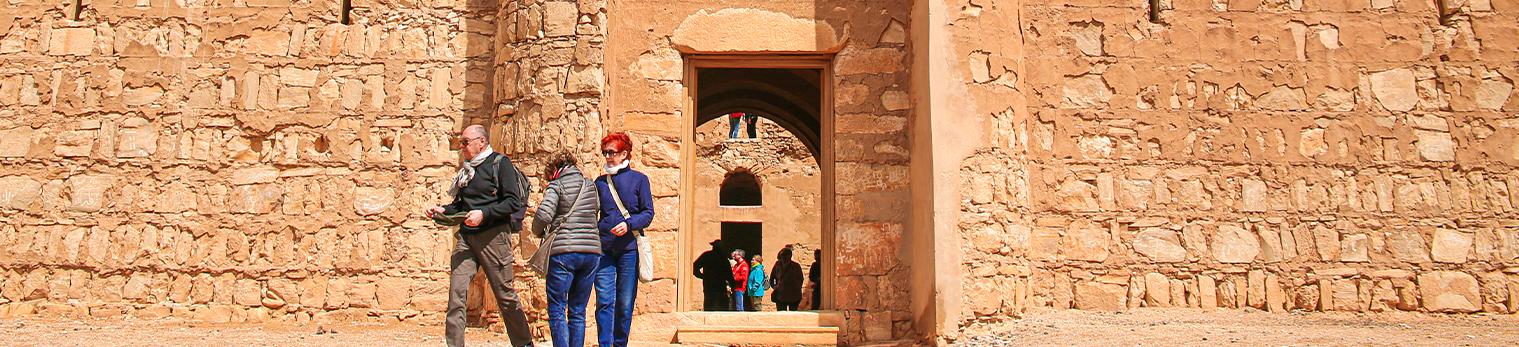
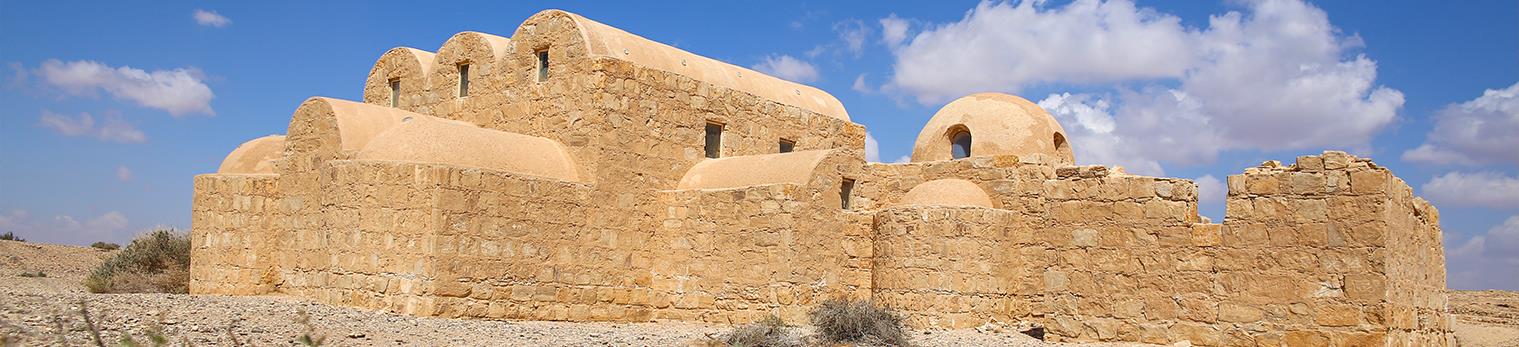
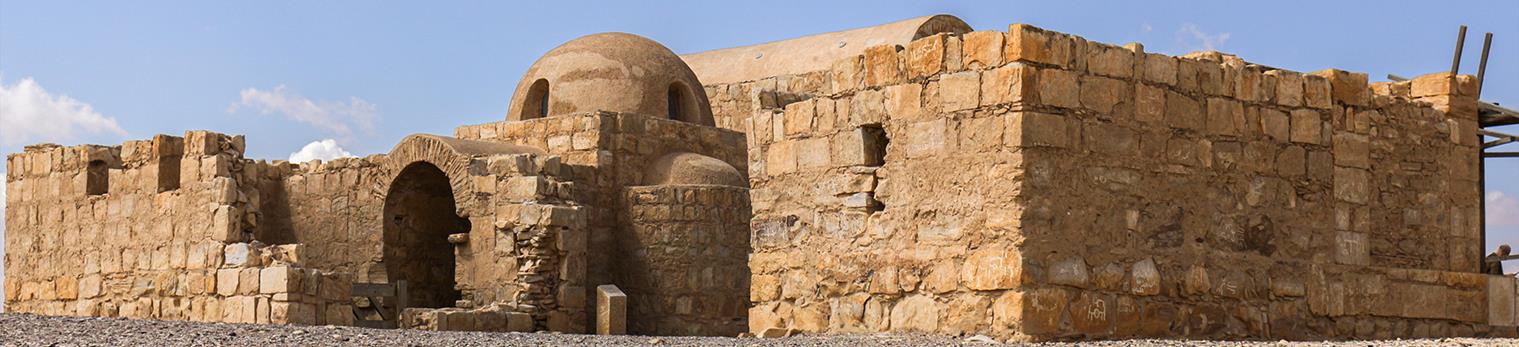
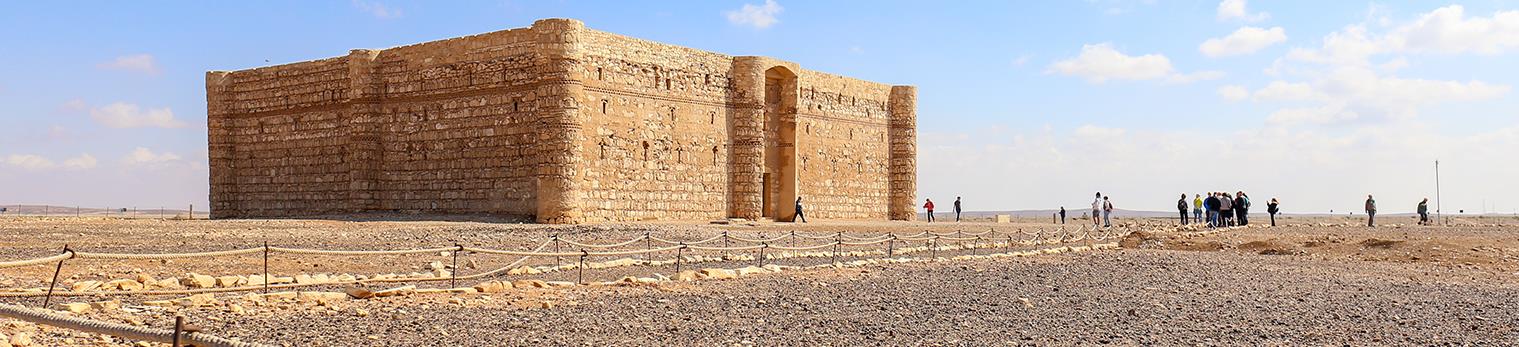
Head east for a tour including the so-called “Desert Castles” of Jordan’s eastern Badia—actually 8 th Century Omayyad hunting lodges, including the World Heritage site of Qasr Amra, with its beautiful frescoes and bath house. Tour the Roman fortress at the Azraq Oasis later re-used by T. E. Lawrence as a winter headquarters during the Arab Revolt. Make a jeep safari in the Shumari Wildlife Refuge, where the Royal Society for the Conservation of Nature (RSCN) continues its successful program to re- populate decimated indigenous wildlife species including the ostrich, oryx and ibex. Return to Amman for overnight.
“Byzantine Jordan”—Um ar Risas-Madaba-Mt Nebo
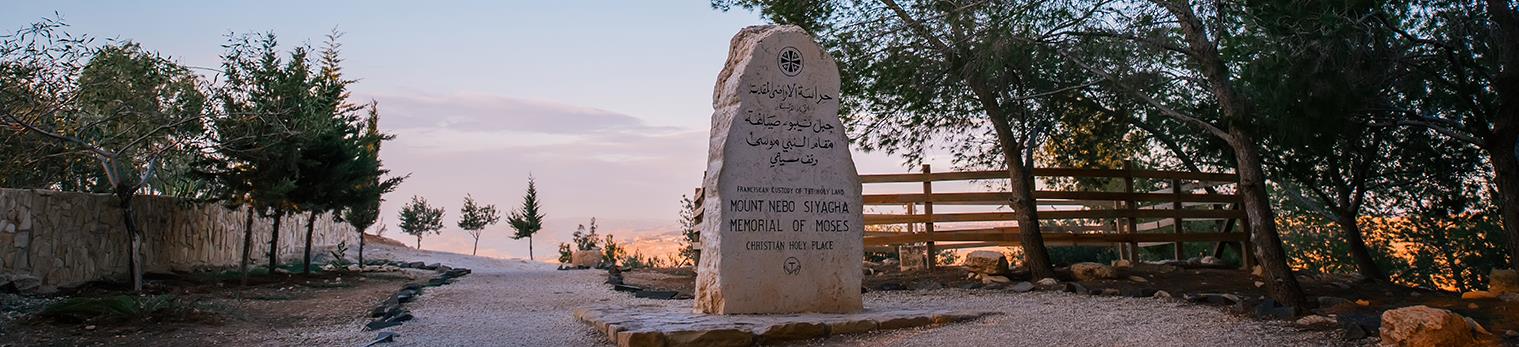
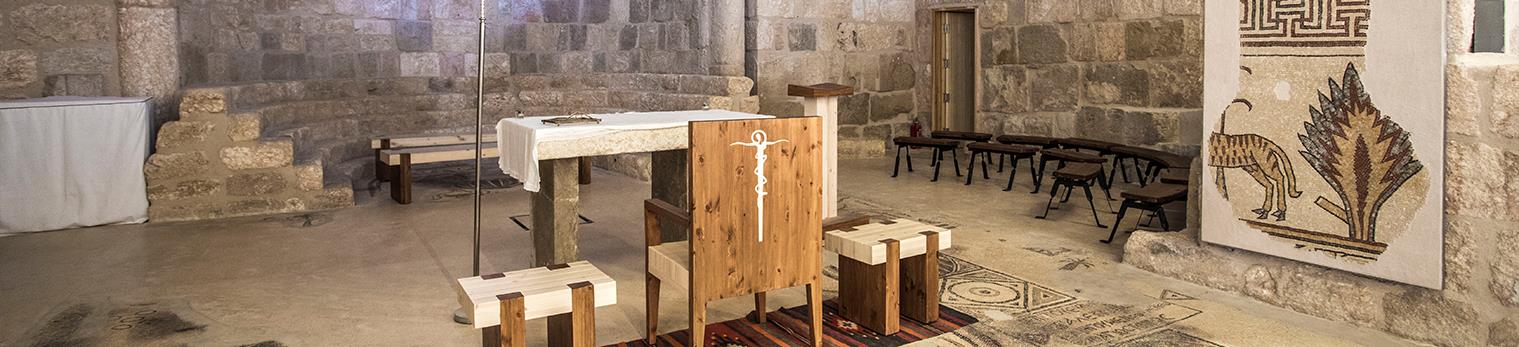
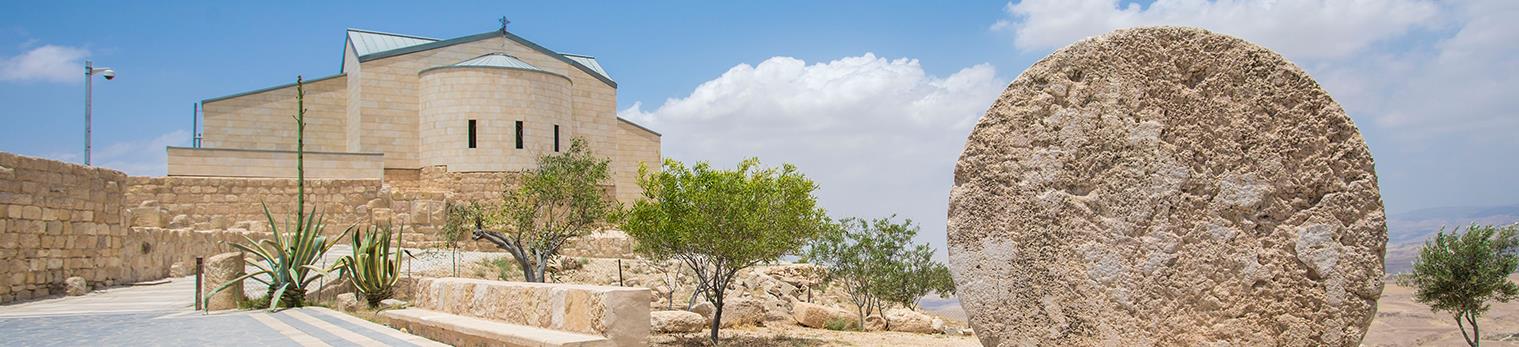
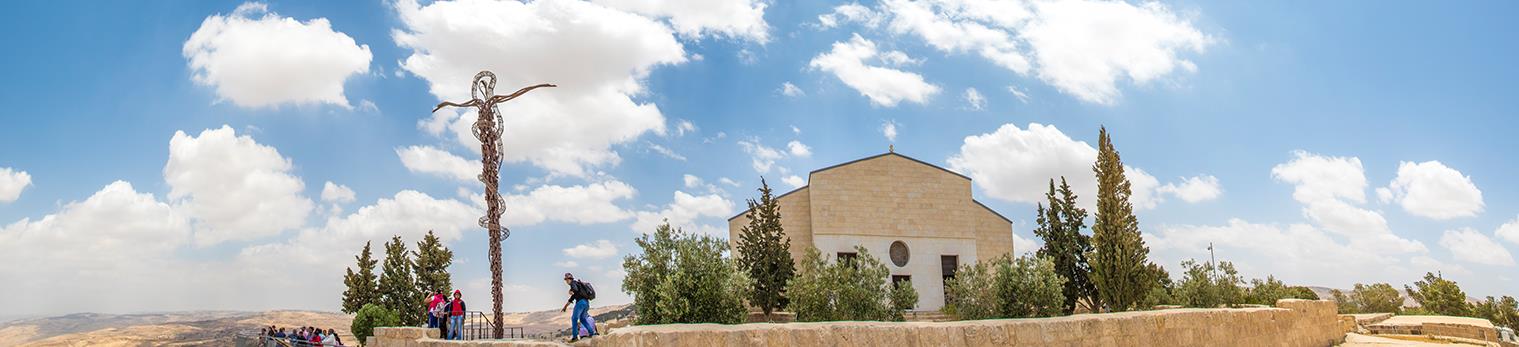
Begin the day at Um ar-Risas is Jordan’s newest World Heritage site. The late Byzantine mosaic in the St. Stephen church is one of the finest in Jordan, with its vignettes of all the outstanding pilgrimage sites of the early 8 th Century. The Um ar-Risas site also contains one of the regions earliest Stylite towers, as well as ruins of the large Roman/Byzantine barracks and caravansary. Madaba, a Byzantine archbishopric, is home to the world’s largest collection of ancient mosaics. Here you will visit the St. George Church with its famous 6th Century map of the Holy Land, as well as the many restored Byzantine and Herodian mosaics in the Madaba Archaeological Park and Apostles' Church. On nearby Mt. Nebo, from which Moses viewed the Promised Land, take in the view of the Jordan Valley, Dead Sea, Jericho and (if it's clear) the distant spires and domes of the Mount of Olives The contemporary church houses a display of mosaics from the succession of pilgrimage churches on this venerated spot. Return to Amman for overnight.
“Roman Jordan” –Um Qais-Ajlun-Jerash
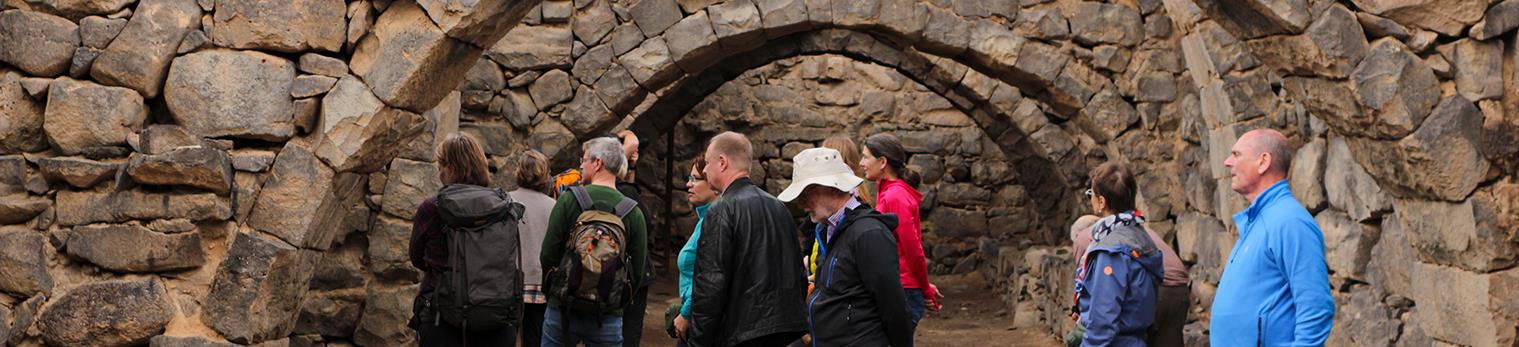
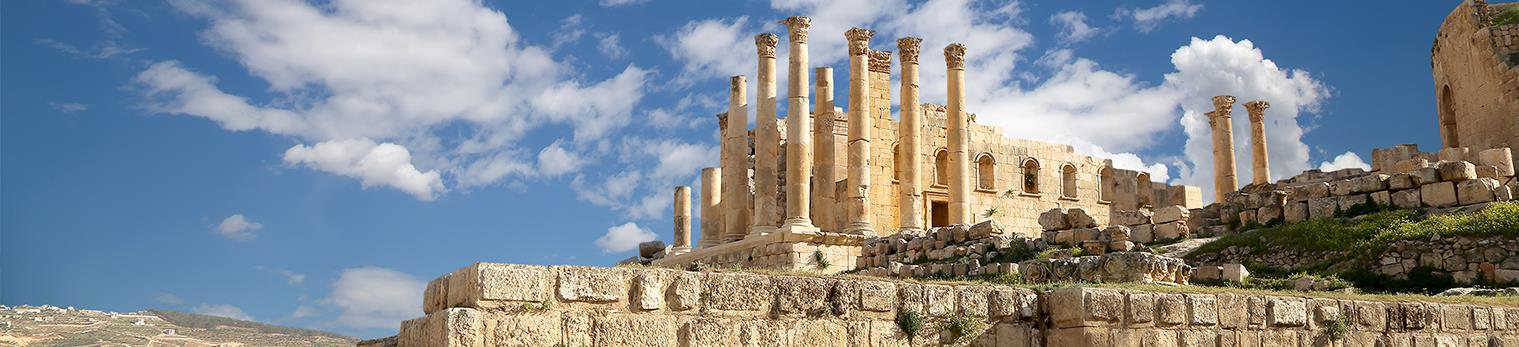
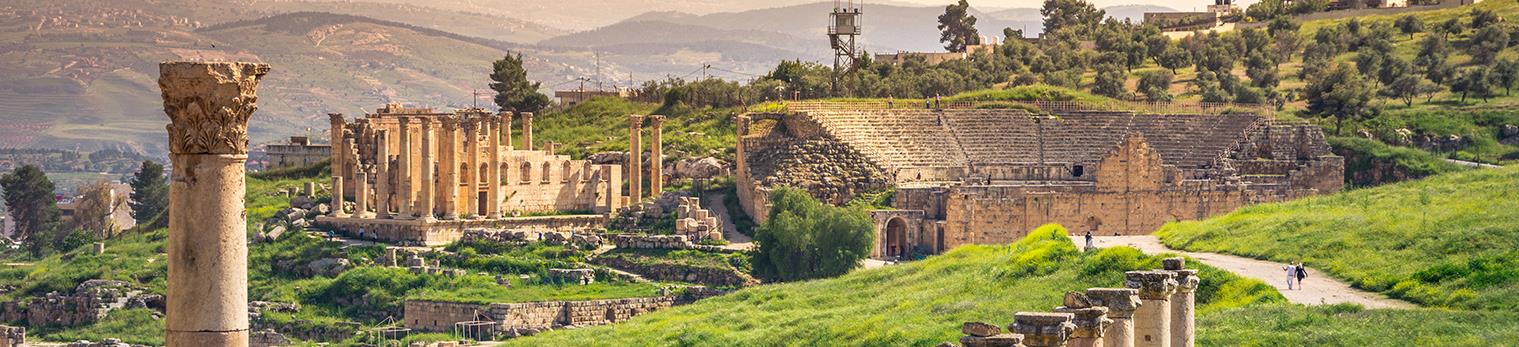
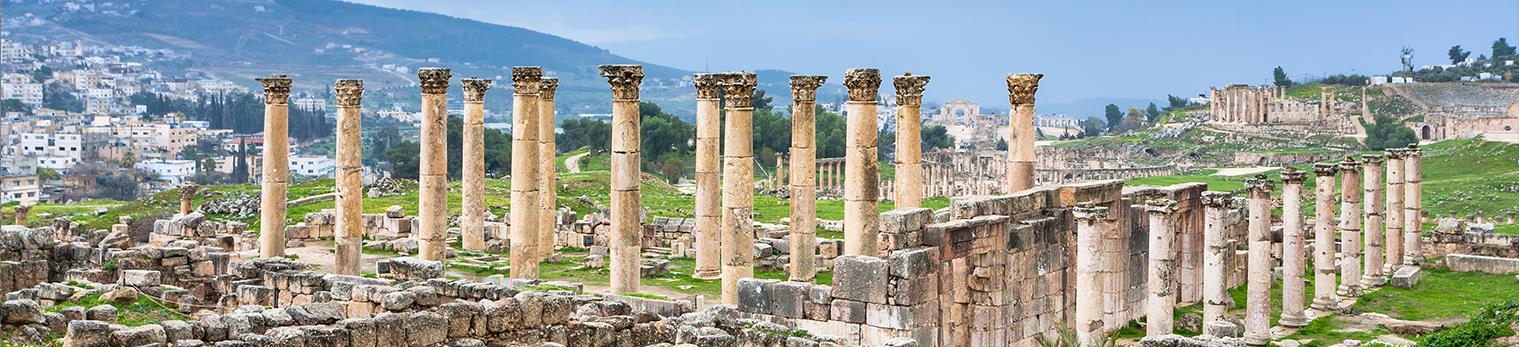
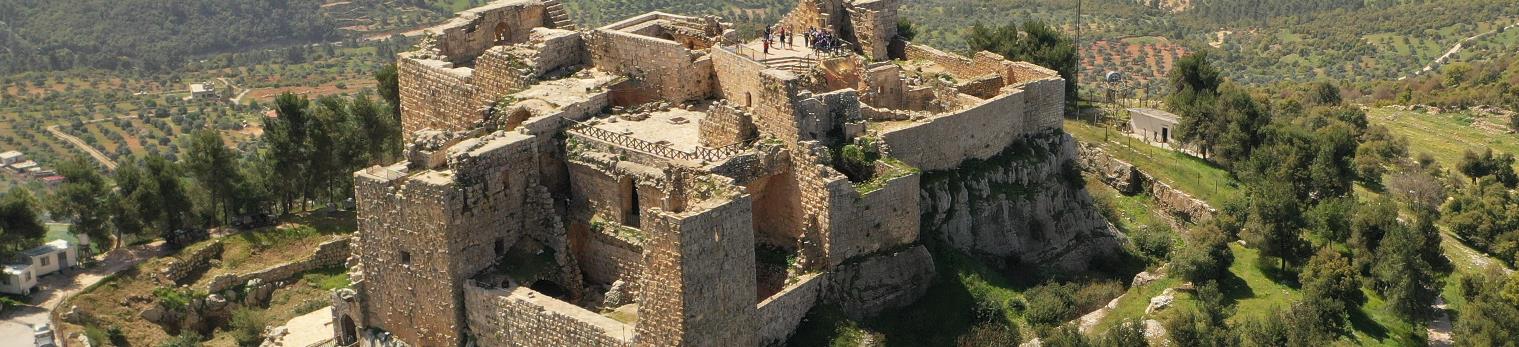
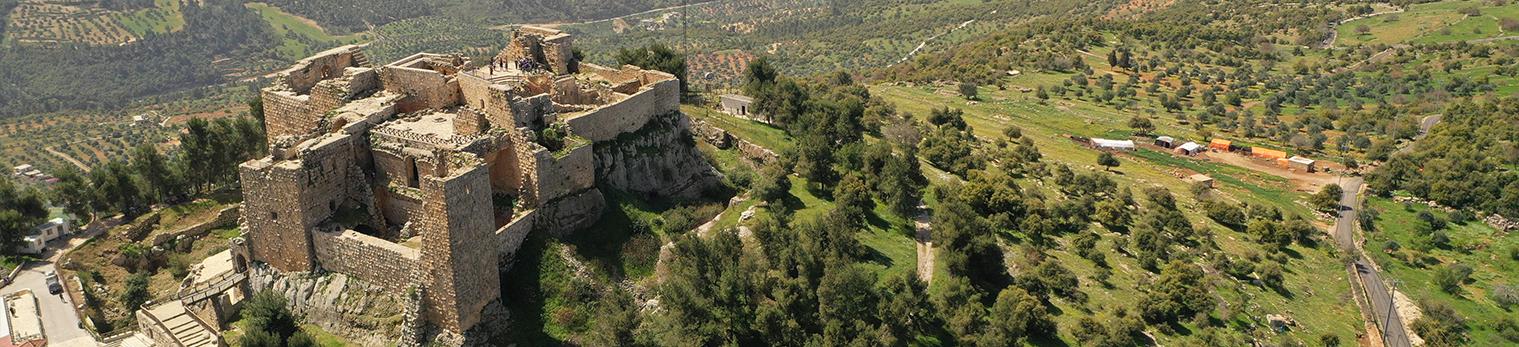
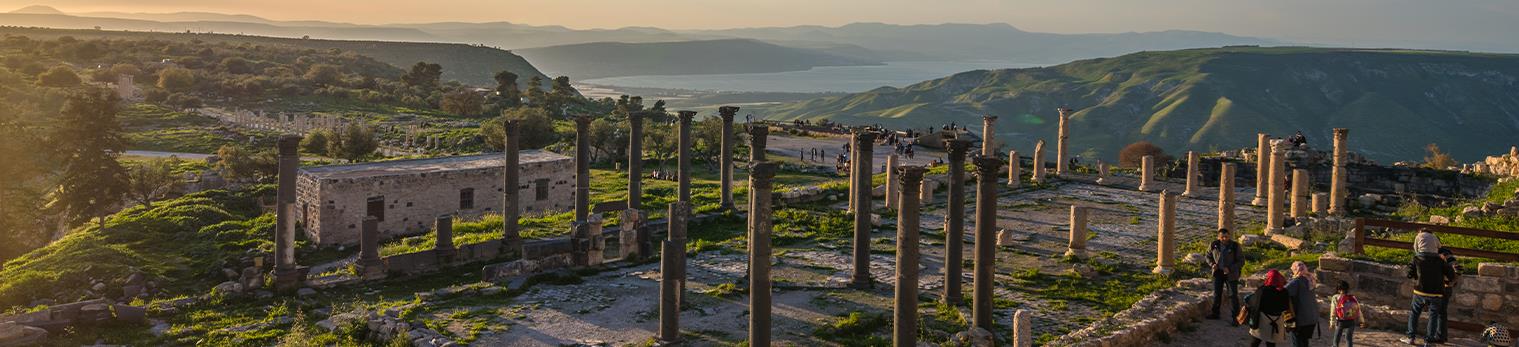
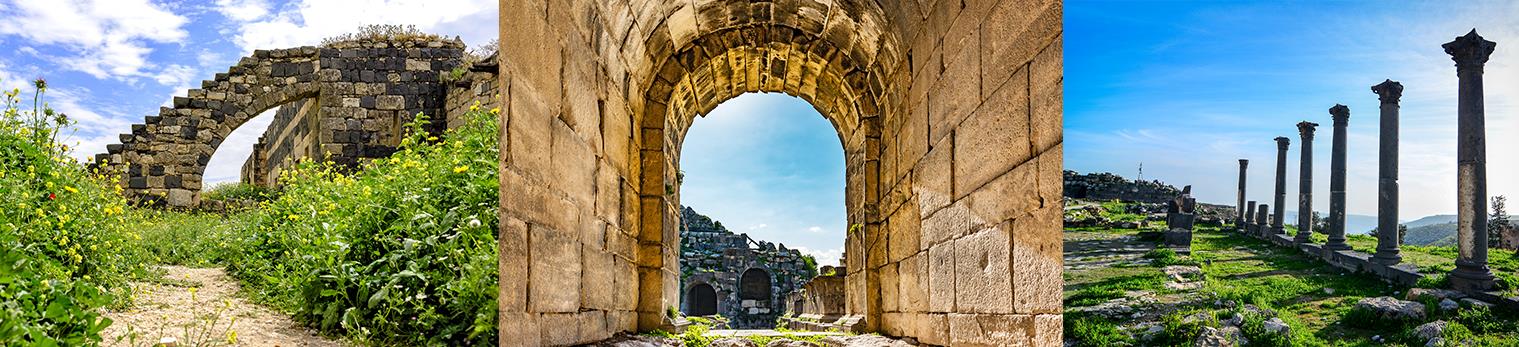
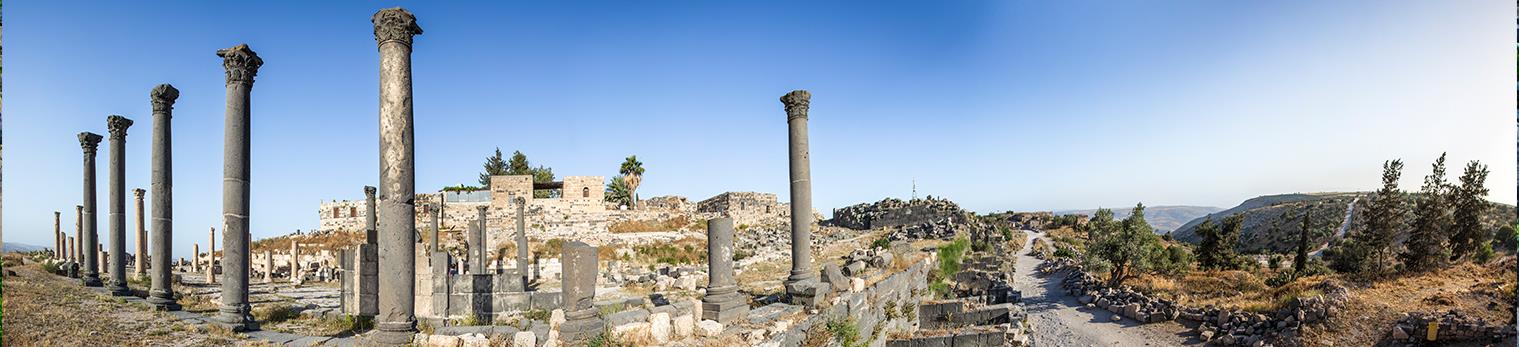
Visit Um Qais (Biblical Gadara), the dramatic black-basalt Roman Decapolis city overlooking the Golan Heights and Sea of Galilee. Drive through the Jordan Valley and up into the Dibeen National Forest to tour Qallat ar- Rabadh, Ajlun's Crusader-era Saracen Castle. In nearby Jerash, tour the world's best-preserved Roman provincial city before returning to Amman for overnight.
“New Testament Jordan”—Mukawir-Maqdas-Dead Sea
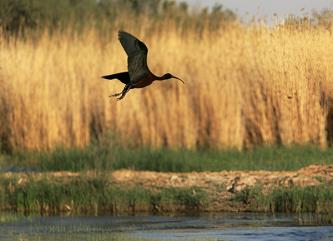
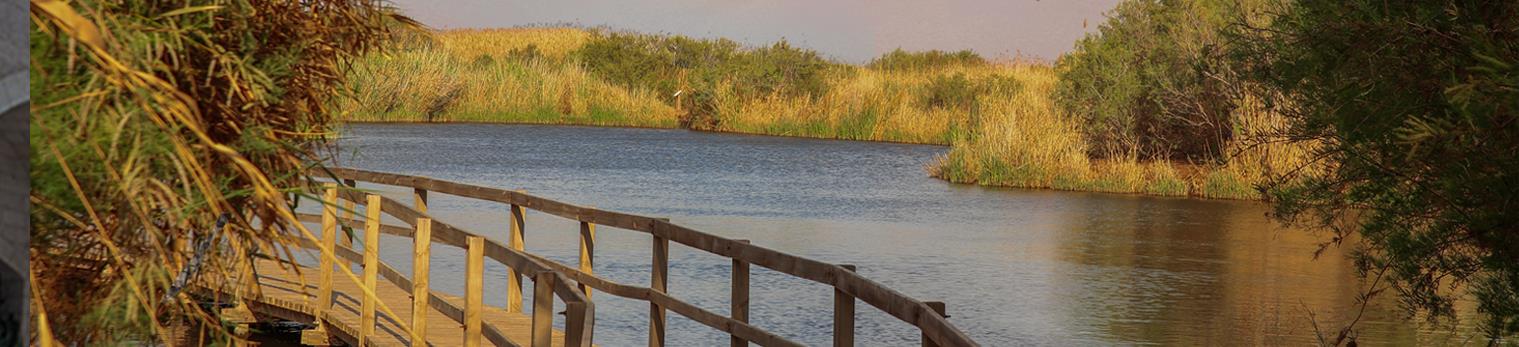
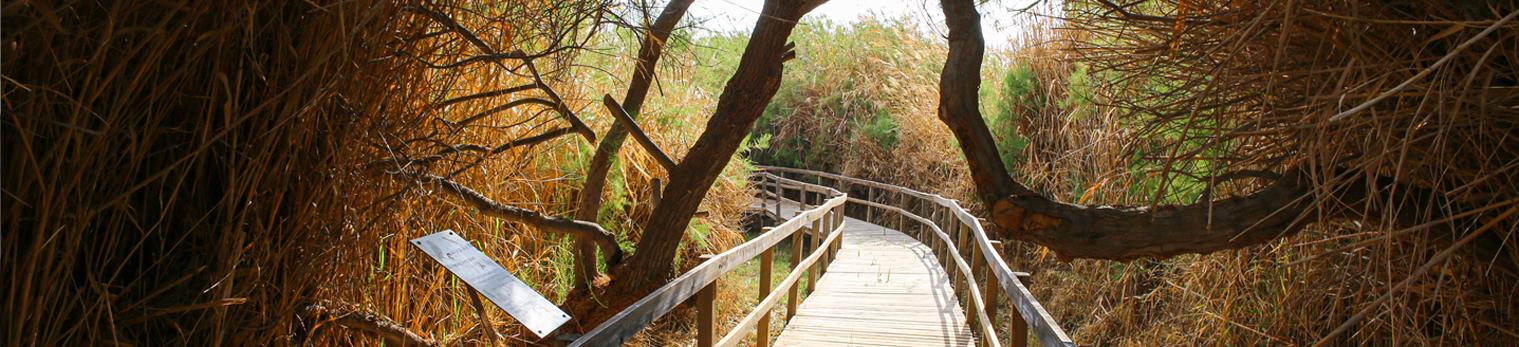
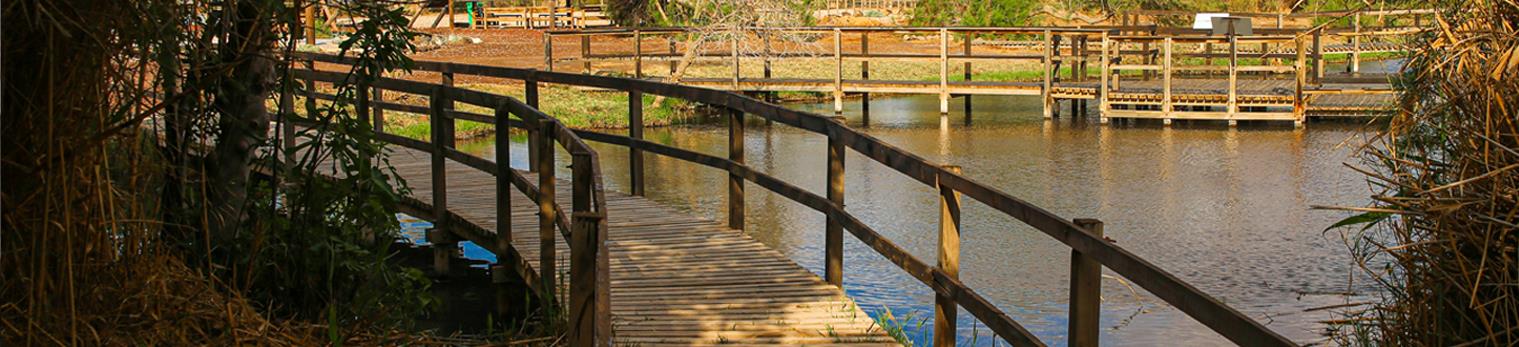
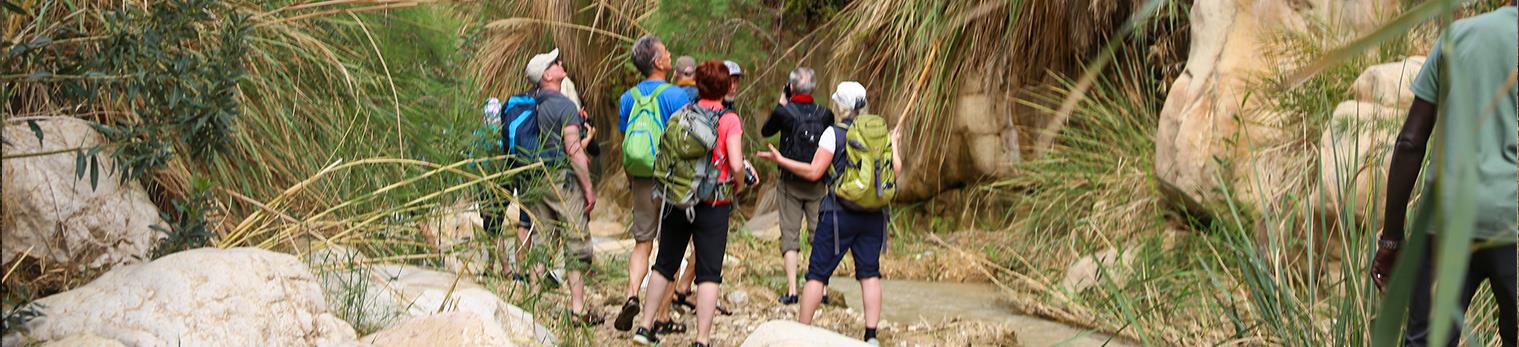
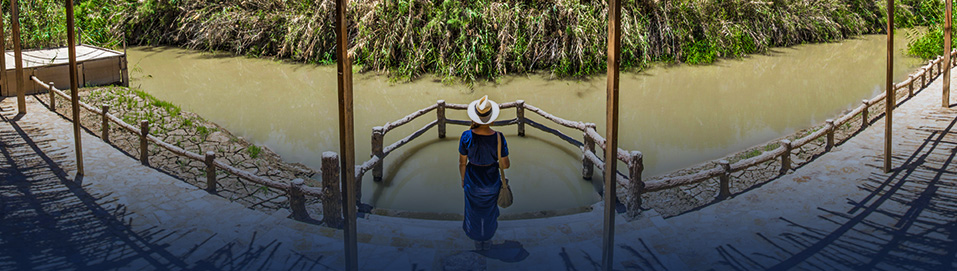
Drive south of Madaba for a visit to Mukawir, a Herodian fortress high above the Dead Sea where King Herod journeyed to take restorative hot springs baths. Here John the Baptist was imprisoned and beheaded. Descend to the Dead Sea, lowest point on the earth’s surface, to tour the newly- excavated Baptismal site at Maqdas. Biblical archaeologists, working from clues supplied by the Madaba mosaic map, believe this to be the spot where John the Baptist lived and worked, and where Jesus was baptized in the waters of the Jordan River. The extensive water channels, cisterns and baptismal fonts, as well as the impressive size of the very early (3rd-4th Century) pilgrimage churches on this site, certainly suggest that this is where the earliest Christian pilgrims believed the Baptism took place. The walk past "Elijah's well" to the St. John church on the banks of the Jordan is a pleasure in itself, as you follow the winding trail through marshes of high reeds and tamarisk trees. Proceed to the Movenpick Dead Sea Resort for overnight.
Relaxation day at Dead Sea
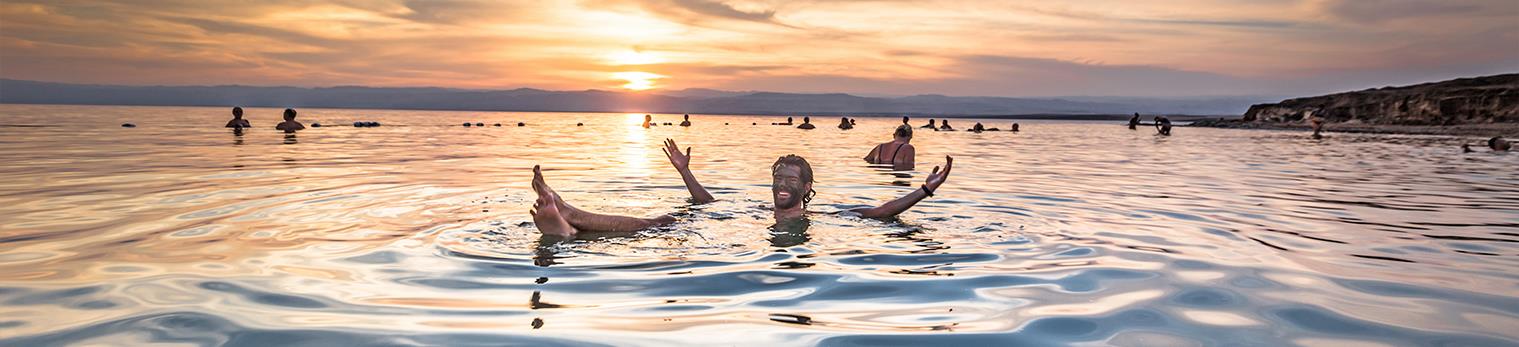
Day at leisure to enjoy the facilities of the Resort, with its private beach, freshwater pools and delightful wellness Spa. Overnight Dead Sea.
“Rift Valley—focus of change”—Dead Sea-Wadi Mujib-Lot’s Sanctuary-Wadi Finan
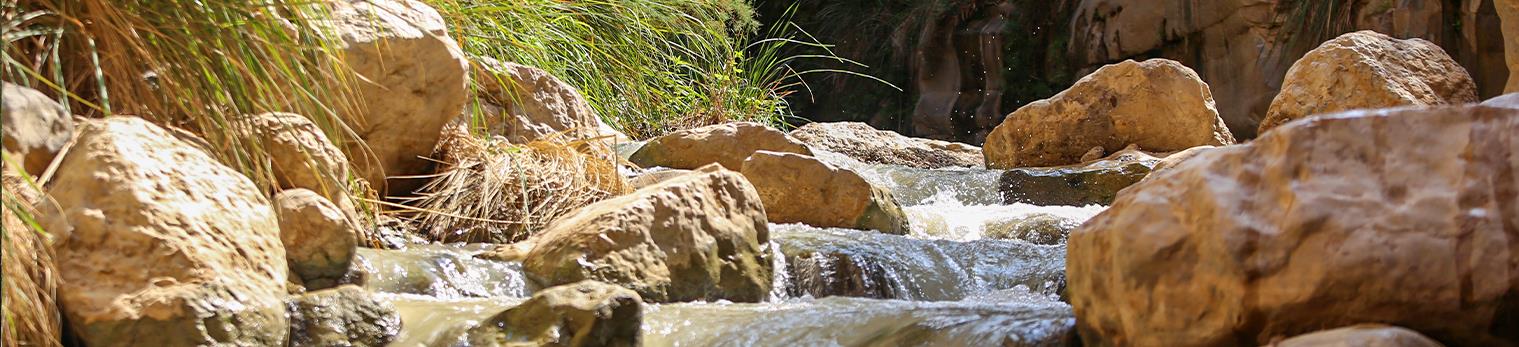
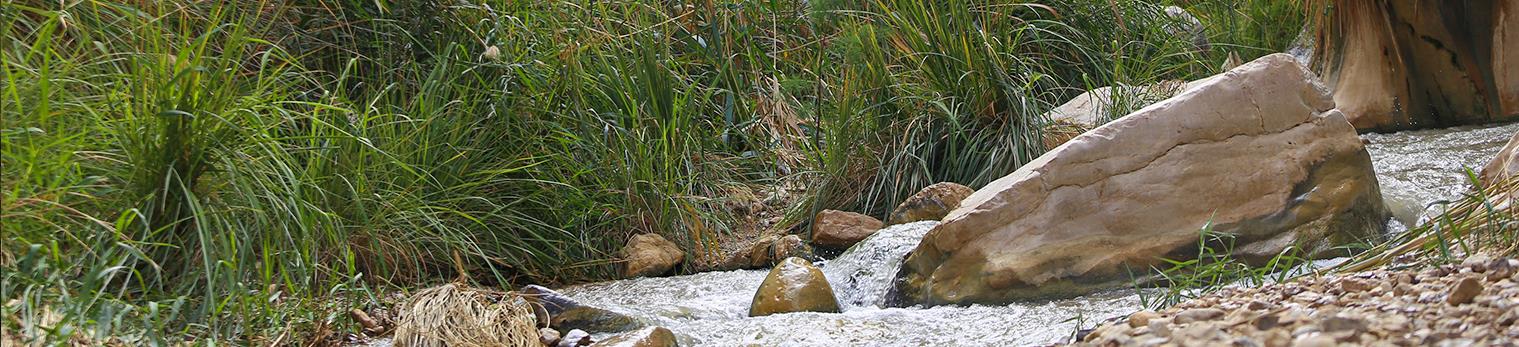
Drive south along the eastern shoreline of the Dead Sea, with a stop at the mouth of Wadi Mujib, Jordan’s ‘Grand Canyon’ with its spectacular Mujib River flowing into the southern end of the Dead Sea. The RSCN supervises this protected and fragile ecosystem, and has a Visitors’ Center to explain their work managing the historically and environmentally sensitive area. Further south, visit the Byzantine pilgrimage hostelry at Lot’s Sanctuary. Continue south into the arid southern desert of Wadi Araba to visit Wadi Finan, the ancient world’s largest copper mine. Dinner and overnight at the RSCN lodge in Wadi Finan, with an evening discussion of the positive and negative impact of increasing tourism on the life of the local Bedouin population.
“Jordan as outpost”—Wadi Araba-Karak-Dhana-Shobak-Petra
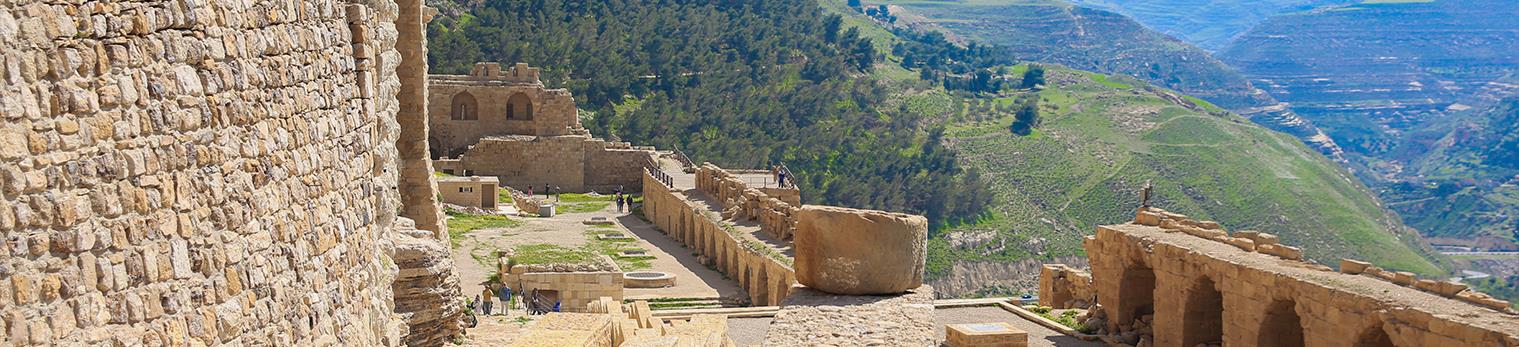
Drive up the road from bottom of Wadi Araba, ascending 1,350 m to tour the magnificent ruins of the Karak Crusader Castle. Continue south along the scenic King’s Highway to visit the Dhana old village, overlooking Wadi Finan and the Dhana Nature Reserve. Visit the smaller and more cohesive remains of the Crusader Castle at Shobak (Mont Real), before continuing to Petra and check-in at the Petra Movenpick Hotel. Cooking lesson and dinner at the Petra Kitchen.
“Nabatean Jordan”-- Petra
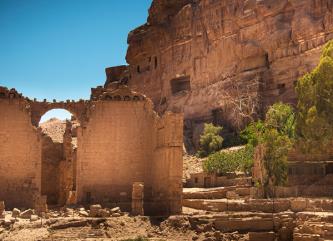
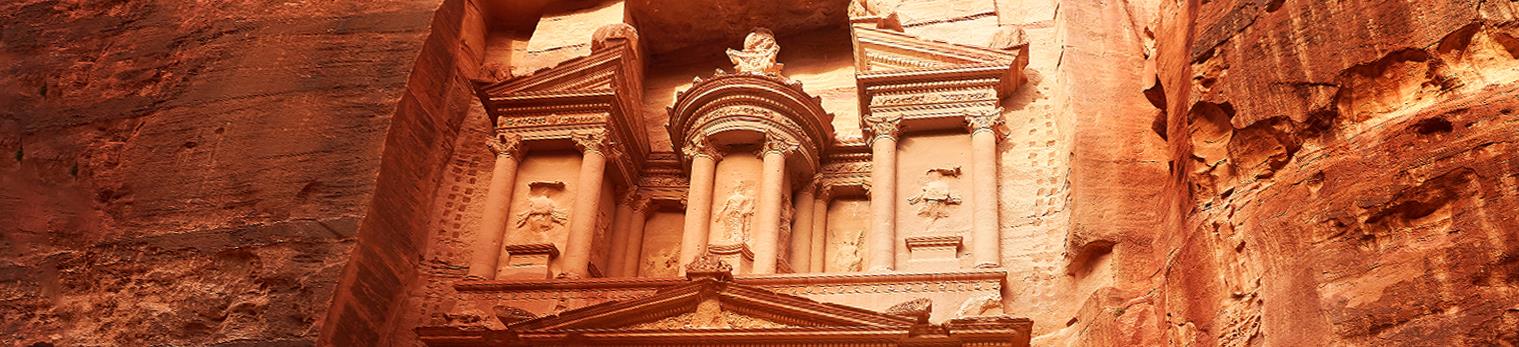
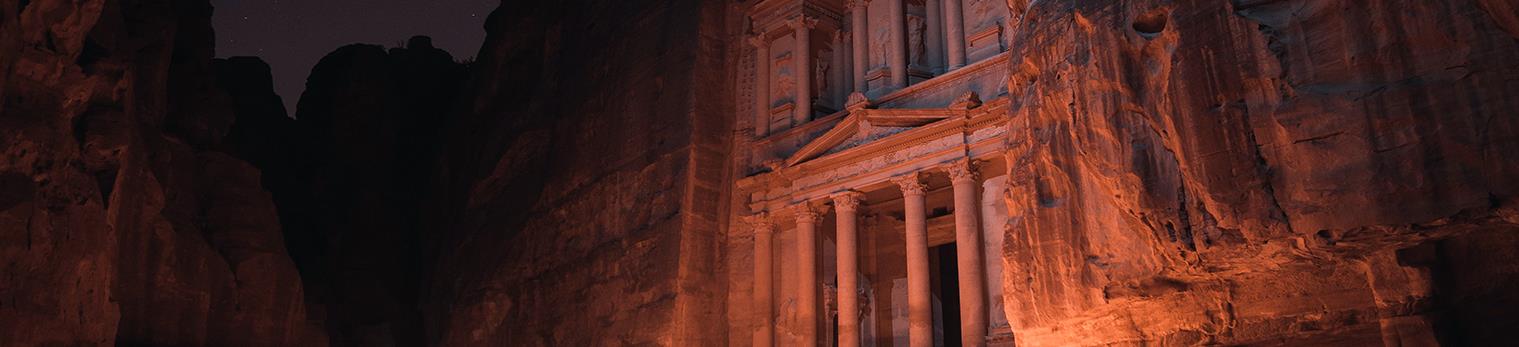
First full-day visit to Petra, with entry through the mile-long Siq and visits to the Treasury, Street of Facades, Theater, Colonnaded Street, Museum, Qasr al Bint and Byzantine Church. Overnight Petra.
Petra
Second visit to Petra, with entry via al-Madras and visits to High Place of Sacrifice, Wadi Farasa and Great Temple. Overnight Petra.
Petra
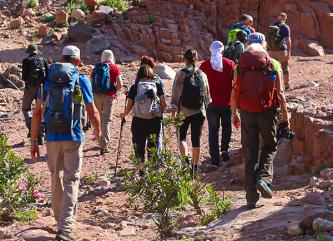
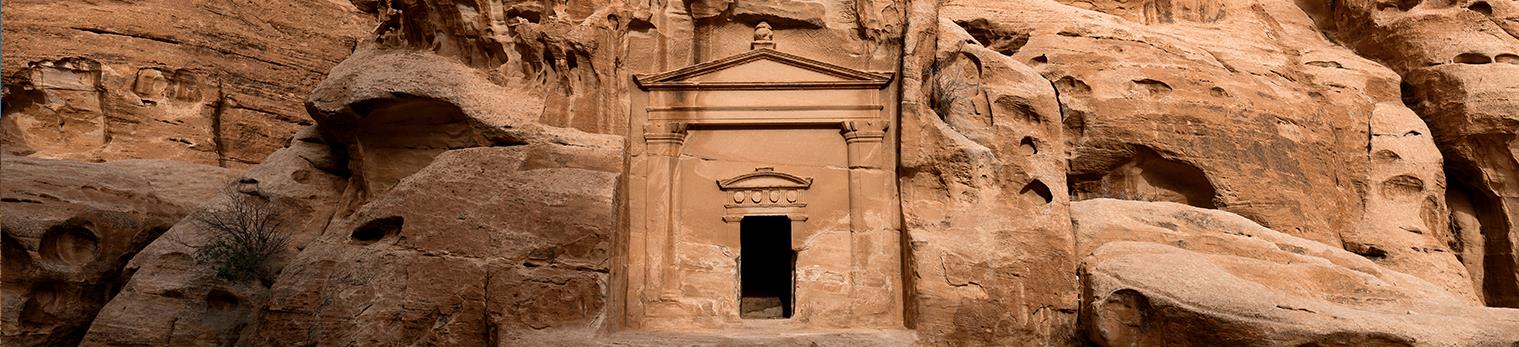
Morning visit to Siq al Barid (“Little Petra”). Hike cross country via Wadi Merwan to ad-Deir, Petra’s largest carved façade. Descend into the ancient city center for a last look, and visit the Royal Tombs and al Kubtha on the way back to the hotel for overnight.
“Earliest Jordan”—Baidha-Basta
A unique day’s look at some of the earliest settled villages in the world. Depart the hotel by Bedouin pick-ups to visit the Neolithic sites of Shakart Mseiat, Baja, Baidha and Basta, all within a few kilometers of Petra. Return to hotel for overnight.
“Unchanging Jordan”—Wadi Rum
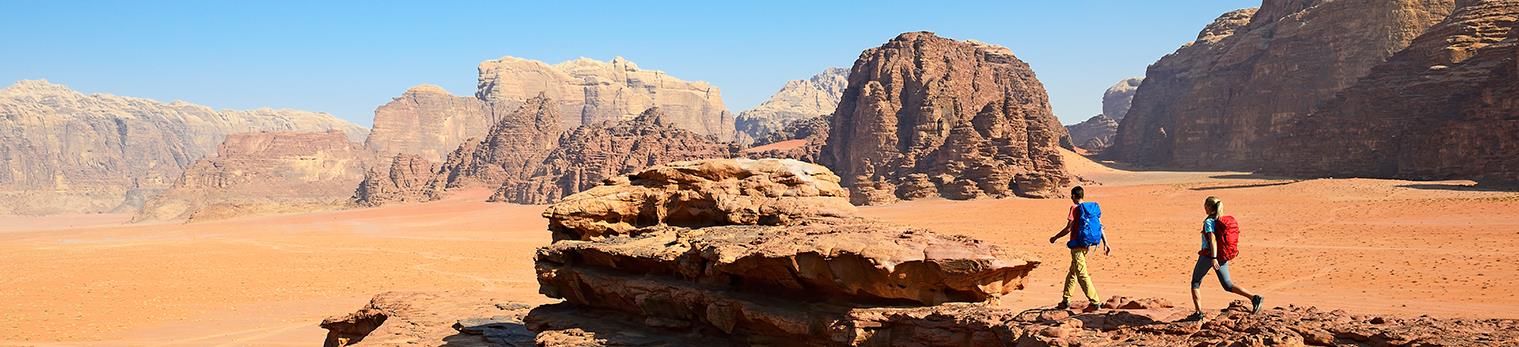
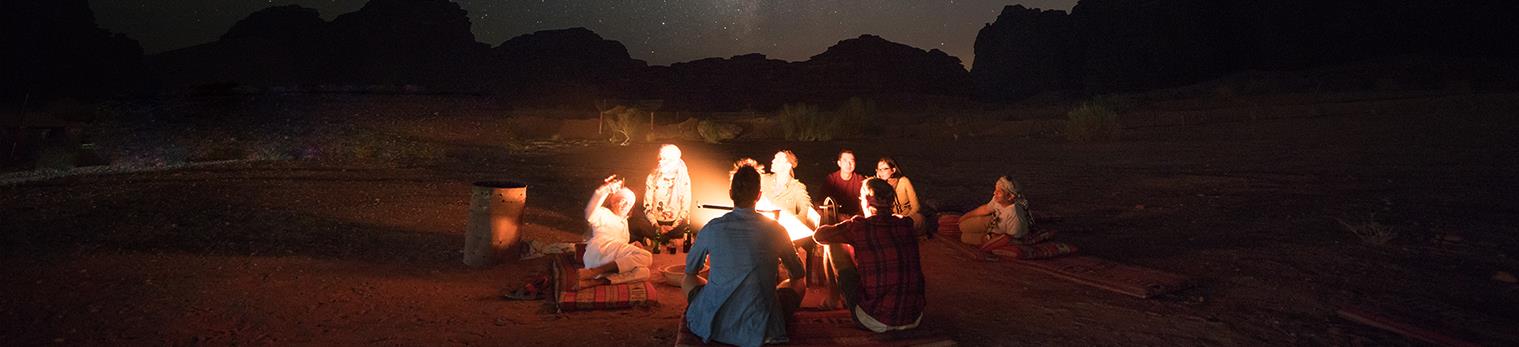
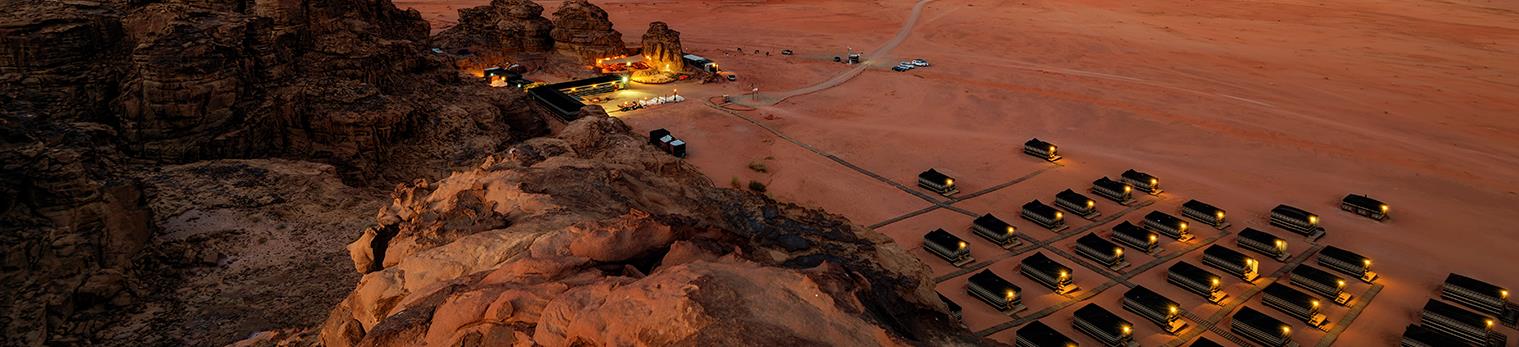
Depart the hotel by jeep for a full-day journey into the moonscape terrain of Wadi Rum, which T. E. Lawrence rightfully described as “vast, echoing and God-like.” Along the way you’ll visit nomadic Bedouin encampments where the herding lifestyle has little changed for millennia. Dinner, live Bedouin entertainment (music and folklore troupe) and overnight camping under the dazzling desert night sky in Wadi Rum.
“Ever-changing Jordan”—Wadi Rum-Amman
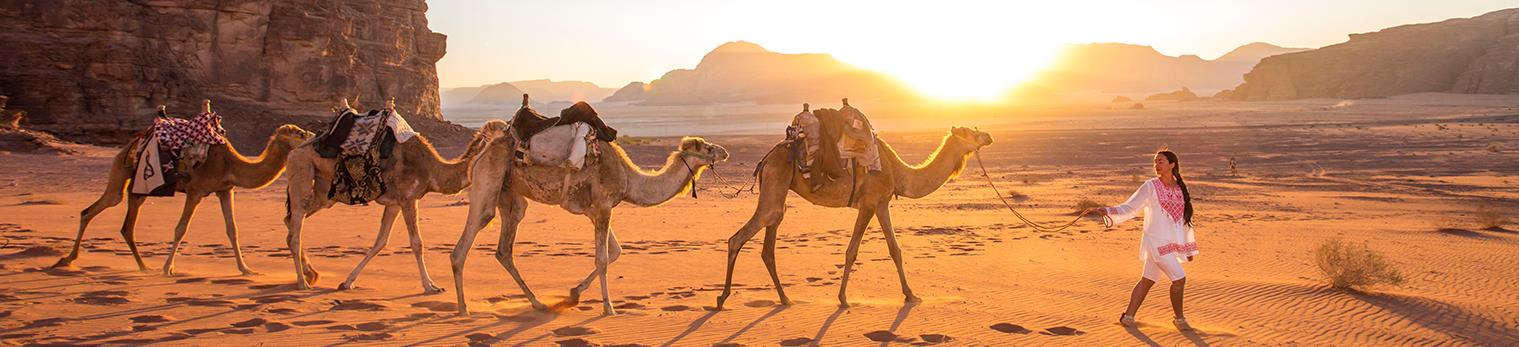
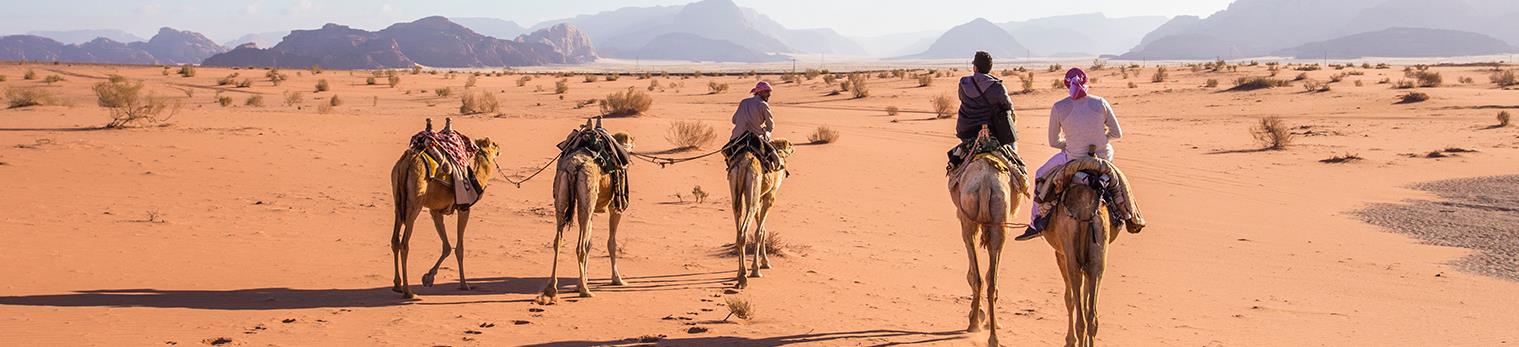
Breakfast at campsite. Camel caravan to the Wadi Rum Visitor’s Center for coach return to Amman. Visit “Wild Jordan,” the new RSCN Center (built with the assistance of US Aid) for a tasty nouvelle proche-orient cuisine lunch in the Wild Jordan café overlooking the heart of Amman’s souk and the Citadel. Free afternoon, overnight Amman.
Amman-Queen Alia airport
Transfer to Queen Alia airport for departure.